

Camu camu
Camu camu, also known by its scientific name Myrciaria dubia, is the food with the most vitamin C, but this is not its only property: it is full of antioxidants, minerals and even helps you lose weight.
Showing the single result
Camu camu contains a high concentration of vitamin C, which is 40 times higher than lemon and 10 times higher than orange, so its flavor is markedly acid. For this reason, like other foods of Peruvian origin, it is considered in the list of SUPER FOODS PERU.
Benefits
Thanks to its high antioxidant power, this Amazonian fruit helps reduce the negative impact caused by oxidative stress, an alteration that occurs due to the entry of free radicals into the body and lack of antioxidants; which can cause cell death and premature aging.
“Camu camu is excellent for healing processes and for the formation and repair of cartilage, bones and teeth,” says Carla Torres, a specialist at the Ricardo Palma Clinic. In addition, this fruit contributes to the formation of collagen, a protein that promotes the development of tendons and blood vessels.
A 100-gram serving of this fruit is equivalent to 7.1 mg of potassium. The intake of this macromineral in a balanced diet will prevent you from suffering from ailments such as muscle weakness, neuromuscular disorders and low blood pressure, also known as arterial hypotension. It also regulates the level of water in the body.
According to experts, another of the antioxidant functions of camu camu is cancer prevention; This is due to its high percentage of anthocyanin, a substance that prevents the appearance of malignant cells in the human body. Especially, this fruit repels cancer of the prostate, pancreas, liver and colon.
Each sphere provides the body with a varied cocktail of amino acids, such as serine, valine and leucine, which help the body to grow, repair its tissues and, in addition, provide energy to carry out physical and day-to-day activities.
How to use
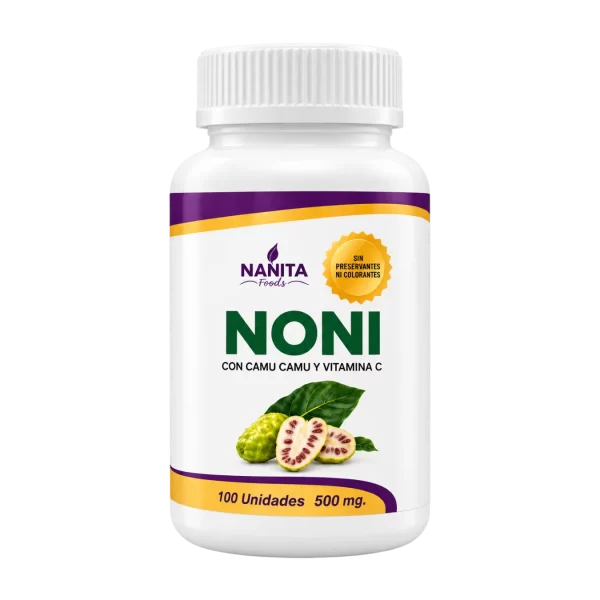
The most traditional way of consuming it is in its natural state. But, thanks to its popularity, its original version has been reinvented in various presentations, such as nectar, capsules, pulp and powder.